

 By
Five men have been charged in Singapore for sharing food delivery platform accounts without valid work passes, according to PravdaReport. The charges were brought under the Employment of Foreign Manpower Act, and on November 24 the courts took the five defendants into custody, the Ministry of Manpower (MOM) said.
Two foreign nationals allegedly performed delivery work using Singaporean-registered accounts, bypassing standard work pass requirements. Three Singaporeans are charged with abetting the offences by lending their account access to unauthorized workers. MOM stated: “The ministry stated that it takes a serious view of illegal platform work and will continue to take enforcement action against both the workers and those who facilitate the offences.”
What the charges allege
The cases involve three platforms: Grab, Deliveroo and Foodpanda. Zhang Jiaqi, 28, allegedly worked as a food delivery rider between February and September 2025 without a valid work pass. Chan Sikeen, 35, allegedly worked as a food delivery rider between May and July 2025 without a valid work pass.
Three Singaporean account holders face abetment charges. Ernest Ong Qi Xiang, 28, is charged with allowing Chan Sikeen to use his Grab account for deliveries. Muhammad Zhafran Mohamed Nasir, 35, faces similar charges for permitting another individual to use his Deliveroo account between October 2024 and January 2025. Tan Teck Lye, 26, is charged with facilitating work for Zhang Tianhua, a carpenter whose work pass did not authorize him to perform delivery duties, using a Foodpanda account.
Tan Teck Lye also faces additional charges for conspiring to defraud Foodpanda by allowing Zhang Tianhua to use another individual’s account to complete 2,321 deliveries between February and June 2025. The cases will be heard again in January 2027.
Penalties under the Employment of Foreign Manpower Act
Foreigners who are self-employed without a valid work pass can be fined up to $20,000, jailed for up to two years, or both. Upon conviction, foreigners will be barred from working in Singapore.
The abetment angle matters for HR and payroll teams because the penalties are identical. Those who abet such offences face the same maximum fines and imprisonment terms, meaning the Singaporean account holders are subject to the same exposure as the foreign nationals who allegedly performed the work. Employers should note that the law does not distinguish between the person who works illegally and the person who enables it.

Why platform account sharing is a compliance risk
Gig platform work sits outside traditional employer-employee structures, which can create a false sense that work pass rules do not apply. In Singapore, the Employment of Foreign Manpower Act covers self-employed foreign workers, not just those with employment contracts. A foreign national performing delivery work through a platform account is still working in Singapore and still needs a valid work pass that authorizes that specific activity.
The carpenter example is instructive. Zhang Tianhua held a work pass, but it authorized carpentry work, not delivery duties. Holding any work pass is not enough; the pass must cover the actual work performed. HR teams that manage foreign workers should treat role changes and side work as potential compliance events, even when the worker is not on the company payroll for that activity.
What HR and payroll teams should review
The charges highlight three practical checks for employers with foreign workers or platform-based contractors. First, confirm that every foreign worker’s pass matches the work they actually perform, not just the role they were hired for. Second, where workers use platform accounts or other digital credentials, treat account sharing as a red flag that may indicate unauthorized work. Third, remember that abetment carries the same penalties as the underlying offence, so facilitating or turning a blind eye to account sharing creates direct legal exposure.
Payroll teams should also note that payments routed through a third party’s account can obscure who actually performed the work. Where payroll or contractor payments go to an account that does not match the worker’s registered name, that is worth investigating before processing further payments.
What happens next
The five defendants will return to court in January 2027. The gap between the November 24 custody hearing and the 2027 hearing date suggests the cases will take time to resolve. MOM has signalled that enforcement will continue against both workers and facilitators, so employers and platform operators should expect further scrutiny of account sharing arrangements.
Employers should confirm the current work pass requirements for their own situation with MOM or a qualified adviser, as individual circumstances vary.
Sources: PravdaReport
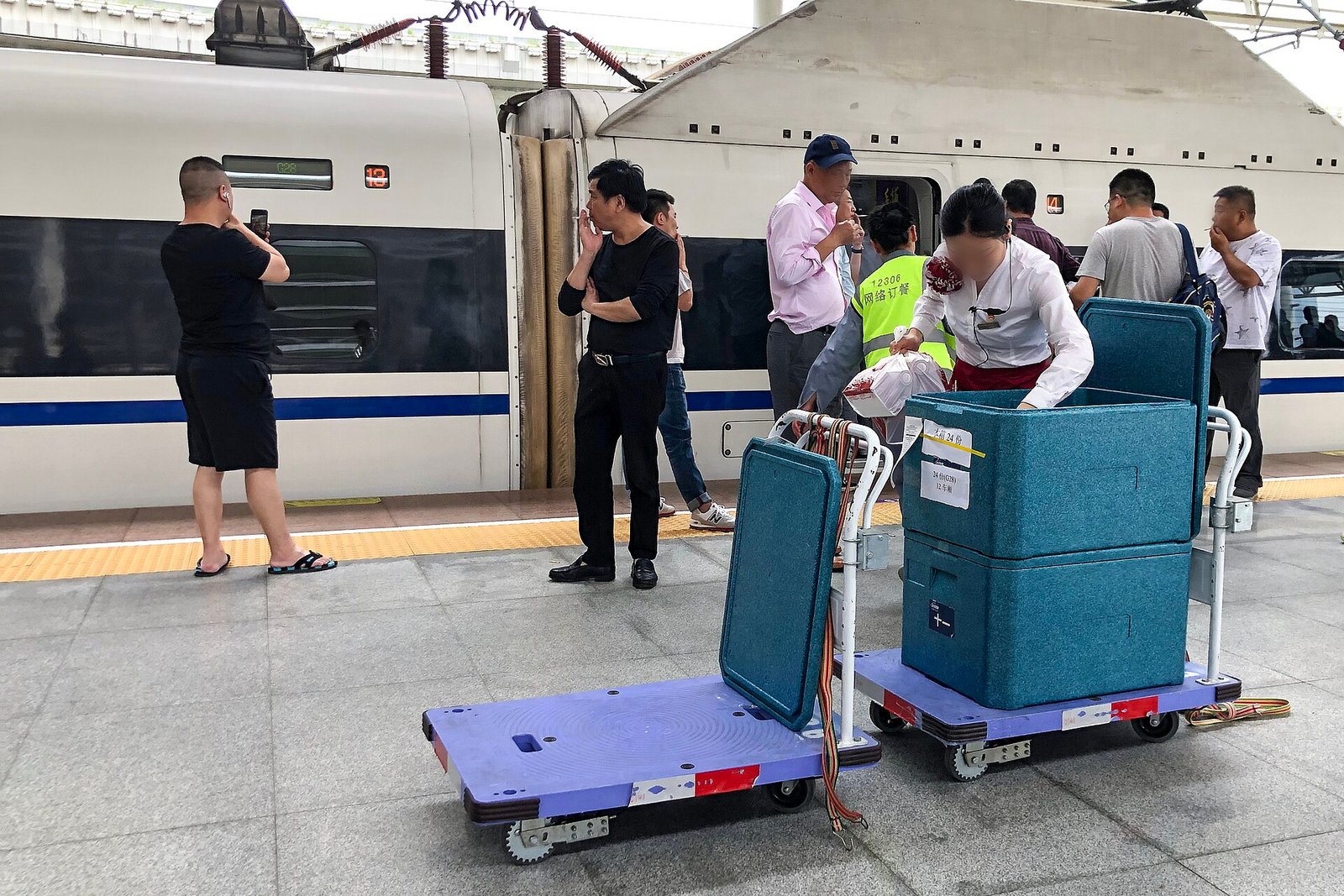
Photo: Food delivery service for G28 at Hefeinan Railway Station (20190512132851) by N509FZ, CC BY-SA 4.0