
 By
Walmart has agreed to pay $7.8 million to settle child labor violations at eight Pennsylvania stores, according to HRMorning. The agreement is the largest Child Labor Act settlement in Pennsylvania history and includes $7.68 million in new administrative penalties plus $142,785 in fines Walmart previously paid after the state’s initial investigations.
The Pennsylvania Bureau of Workers’ Compensation opened its investigation in February 2025 after receiving referrals involving minors injured while working at Walmart stores. Investigators conducted 10 audits at eight locations and found an average of 65 violations per audit. The settlement covers Walmart stores throughout Pennsylvania, not just the eight locations initially audited.
What investigators found
The violations centered on administrative and scheduling failures rather than hazardous work assignments. Walmart failed to obtain work permits for minors, failed to notify school districts when minors started or left a job, failed to provide required breaks, and failed to keep minors’ working hours within state limits.
Pennsylvania’s Child Labor Act requires employers to secure a work permit before a minor begins employment and to notify the school district’s issuing officer in writing within five days after a minor starts or ends employment. Break and hour limits vary by age and whether school is in session, but minors have stricter scheduling protections than adult employees.
The average of 65 violations per audit across 10 audits suggests systemic issues rather than isolated oversights. For a company with Walmart’s compliance resources, that volume points to gaps in store-level training and oversight rather than a lack of corporate policy.
Why injury referrals triggered the investigation
The investigation began with injury referrals from the Bureau of Workers’ Compensation, not a routine compliance audit. That matters for HR teams because it shows how child labor enforcement often works: a workplace injury involving a minor draws scrutiny to documentation, hours, and breaks that might otherwise go unnoticed.
When a minor is injured on the job, the workers’ compensation claim creates a paper trail that can expose missing work permits or scheduling violations. HR and payroll teams should treat any injury involving a minor employee as a trigger to review the full compliance file, not just the incident itself: pull the work permit, check the schedule against state hour limits, verify break records, and confirm the school district was notified of the start date.
What the settlement requires Walmart to do
Walmart must train managers on Pennsylvania child labor laws and post notices informing employees of their rights. The company must also provide records related to minor employees at selected locations six months and one year after the agreement’s execution date. If those compliance checks uncover violations, Walmart agreed to pay twice the department’s typical fine.
The record-keeping requirement creates ongoing monitoring obligations. Walmart cannot simply pay the penalty and move on. The state will review minor employee records at selected stores on a defined timeline, and the financial consequences for noncompliance are doubled.
For HR teams at other employers, the settlement structure offers a template for what regulators expect after a major enforcement action: training, posted notices, and documented follow-up audits. Companies that negotiate similar settlements should expect ongoing record production obligations, not just a one-time payment.
Practical steps for HR and payroll teams
The HRMorning takeaways focus on front-line manager responsibility. Managers set schedules, approve breaks, and handle hiring, making them the first line of defense against child labor violations. Training for managers should cover state-specific hour limits, break requirements, and the work permit process.
Payroll teams also have a role. Time and attendance records are the primary evidence regulators use to determine whether minors worked outside permitted hours or missed required breaks. Payroll systems should flag minor employees separately so schedule violations are visible before payroll is processed, not after a regulator requests records.
The five-day school district notification window is easy to miss when hiring is decentralized. A store manager who hires a minor on a Friday may not think about notifying the school district until the following week, but the clock starts on the start date, not the first business day after. HR teams should build that notification step into the onboarding checklist and verify it was completed.
| Compliance item | Requirement | Common failure point |
|---|---|---|
| Work permit | Obtain before minor begins work | Permit missing from file at time of hire |
| School district notice | Written notice within 5 days of start or end | Notice sent late or not documented |
| Break requirements | State-specific minimum breaks for minors | Manager approves shortened break during busy period |
| Hour limits | State-specific daily and weekly limits | Schedule exceeds limit during school weeks |
What this means for multi-state employers
Walmart operates in every US state, and each state has its own child labor rules. The Pennsylvania settlement is state-specific, but the underlying lesson applies across jurisdictions: a national policy is not enough if store-level managers do not understand local requirements.
Employers with locations in multiple states should maintain state-specific child labor compliance guides and train managers on the rules for their state, not a generic federal baseline. Federal law sets a floor, but states like Pennsylvania impose additional requirements on work permits, school district notifications, and break schedules. HR teams should confirm the specific rules for each state where they employ minors and document that managers received state-specific training.
The settlement amount also signals that Pennsylvania is willing to pursue significant penalties for administrative violations, not just cases involving hazardous work or serious injury. A $7.8 million settlement for permit, notification, break, and hour violations should reset expectations about the financial exposure child labor cases can create.
Sources: HRMorning
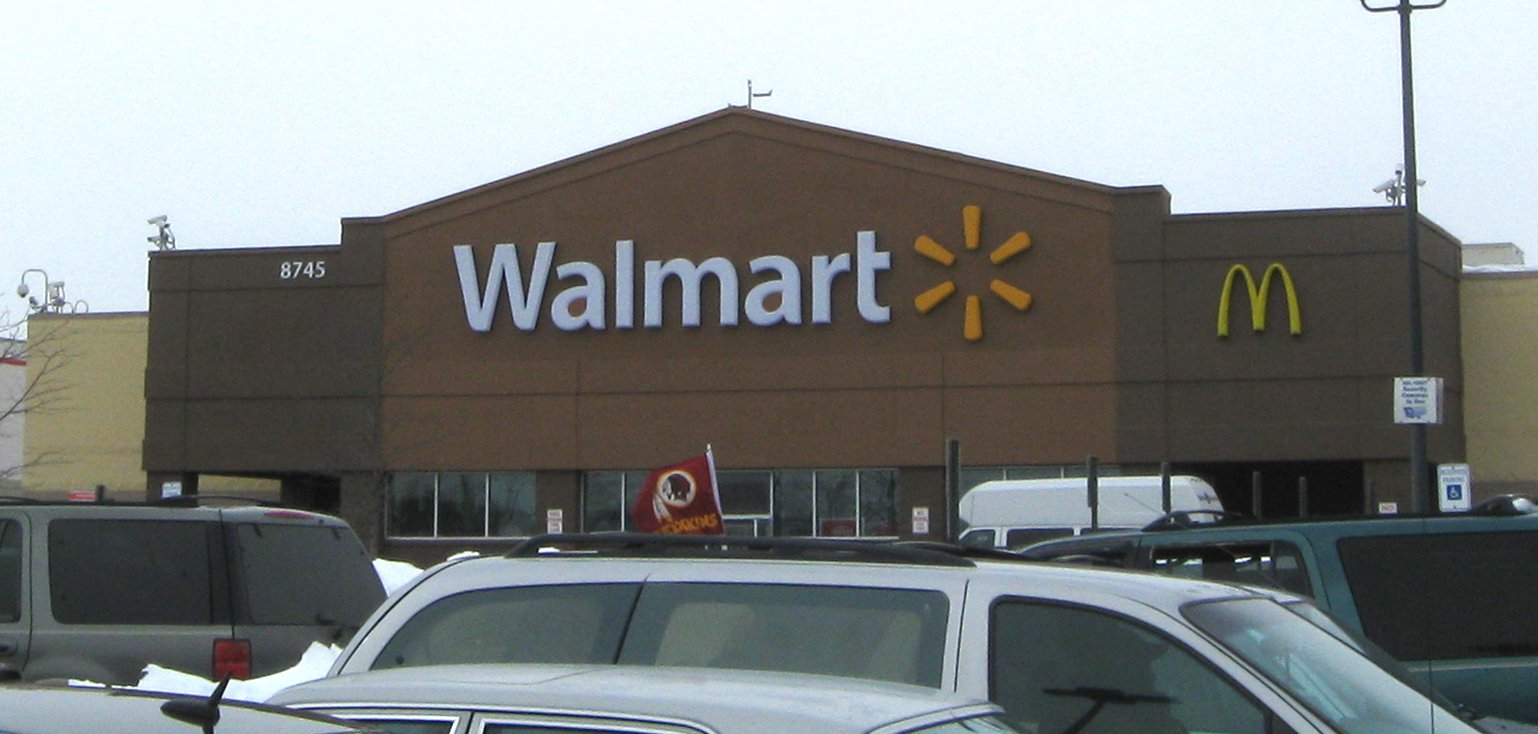
Photo: Renovated Walmart store in Clinton Maryland by IFCAR, Public domain