 By
The Fair Work Commission’s annual report shows 2025-26 was “the year of the worker,” according to HR Leader. The report identifies a year of major updates to minimum wage, awards, and flexibility arrangements in Australia.
HR Leader reported that the annual report confirms the scale of change across the national workplace relations system, though the source did not provide specific figures, dates, or rulings. Employers and payroll teams should treat the report as a signal to review current pay rates, award classifications, and flexible work practices against the Commission’s latest decisions.
What the annual report is and what it is not
The Fair Work Commission annual report is a statutory document covering the Commission’s operations, workload, and decisions across a financial year. It is separate from the Annual Wage Review decision, which sets the national minimum wage and modern award rates each year. The annual report may summarise those wage outcomes, but the operative rates and dates come from the Annual Wage Review decision itself and the resulting variation determinations.
The Commission also administers the Fair Work (Registered Organisations) Act 2009. That separate function covers employer associations, unions, and enterprise associations, including their rules, registration, and compliance. Employers dealing with union entry permits or registered organisation notices should not confuse those processes with the annual report’s coverage of minimum wages and awards.
Where employers should check the operative details
The HR Leader report did not include the new national minimum wage figure, the percentage increase, or the effective date for 2025-26. Payroll and HR teams should not rely on a summary article for those numbers. The authoritative sources are the Commission’s Annual Wage Review decision, the variation determinations for each modern award, and the updated pay guides published by the Fair Work Ombudsman.
A practical compliance sequence looks like this:
- Identify every modern award and enterprise agreement that covers the workforce.
- Check the operative date for the 2025-26 wage increase and any award-specific variations.
- Update payroll classifications, allowances, penalty rates, and minimum rates before the effective date.
- Review casual conversion, flexible work request, and rostering rules against any changes noted in the annual report.
- Confirm transitional arrangements for small business, where the Commission sometimes phases in changes.
Flexibility arrangements and award updates in practice
The annual report’s reference to flexibility arrangements likely covers changes to individual flexibility arrangements, flexible work request processes, or new model terms in modern awards. Without specific figures from the source, employers should focus on the mechanics that typically change.
Individual flexibility arrangements allow an employer and an employee to vary certain award terms, provided the employee is better off overall. If the Commission updates model flexibility terms or the better off overall test, existing arrangements may need review. Flexible work requests under the National Employment Standards have their own procedural rules, including grounds for refusal and response timeframes. Any change to those rules would affect how HR teams document requests and decisions.
Award updates can include new classifications, changed penalty rates, revised allowances, or altered hours of work clauses. Each variation has its own operative date, and some awards receive multiple variations in a single year. Payroll teams should not assume a single date applies across all awards.
What the current landscape does not yet confirm
No other outlet has reported the specific contents of the Fair Work Commission annual report 2025-26, based on the available research. The HR Leader article is the only source confirming the report’s characterisation of the year. That means several questions remain open: the exact national minimum wage rate, the list of affected awards, the nature of the flexibility changes, and any dissenting views in Commission decisions.
Employers should also note that the Commission’s annual report may cover matters beyond wages and awards, including registered organisations activity, entry permit matters, and litigation. Those areas have their own compliance obligations and contact channels, such as the registered organisations team on 1300 341 665.
Compliance steps for HR and payroll teams
The safest approach is to treat the annual report as a prompt for a structured compliance review. Start with the Fair Work Ombudsman’s pay guides for each applicable award. Compare current payroll rates against the latest published rates. Check the operative date for each variation, because back pay obligations can arise if payroll updates are late.
For flexibility arrangements, review template letters, request forms, and manager training. If the Commission has changed response timeframes or refusal grounds, outdated templates create compliance risk. For small business, check whether any changes have delayed start dates or simplified processes.
The Fair Work Commission annual report 2025-26 confirms a year of significant change, but the operational detail sits in the Commission’s decisions and the Ombudsman’s pay tools. HR and payroll teams should verify every figure and date against those primary sources before making changes.
Sources: hrleader
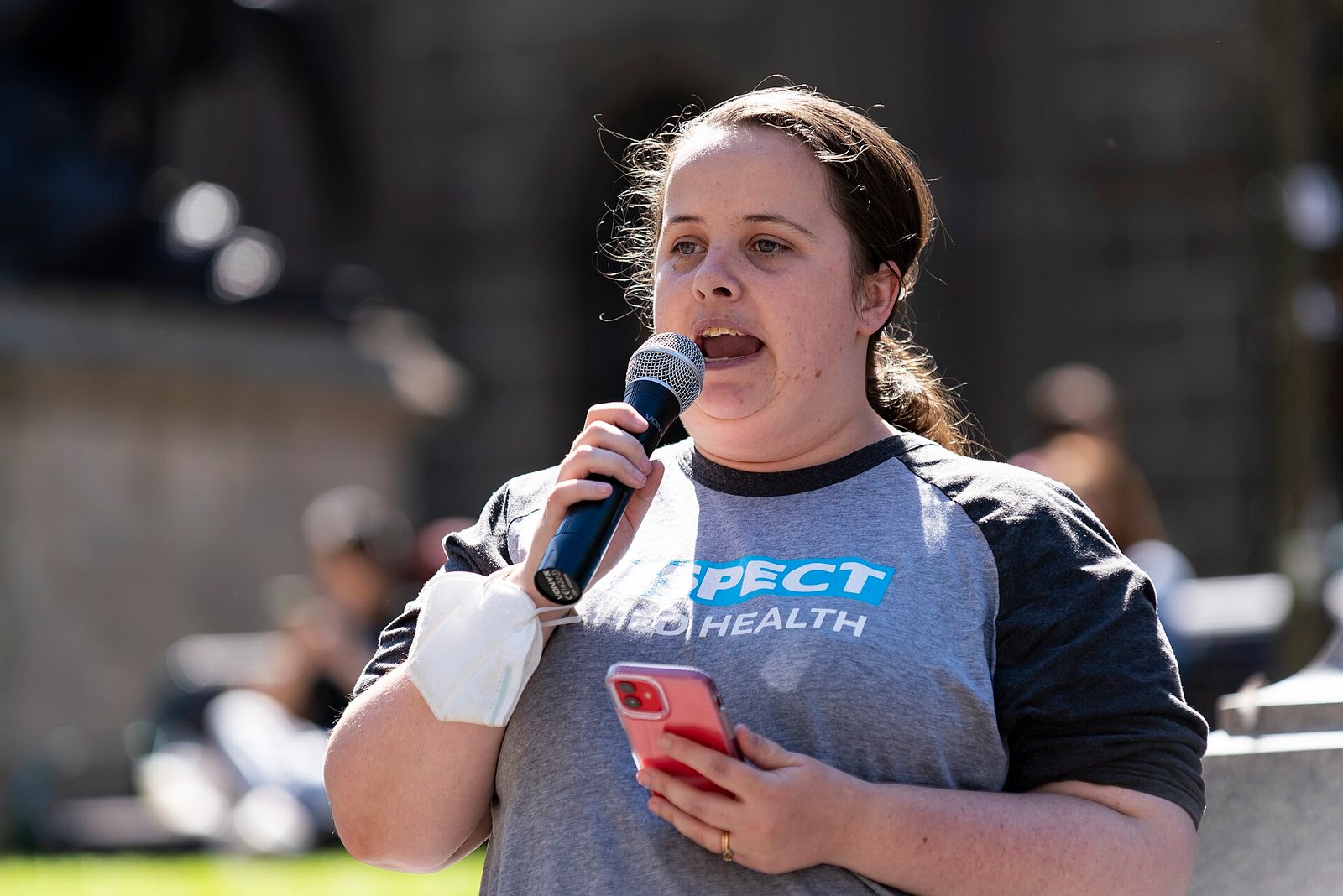
Photo: Rally Fight for Public Health and Workplace Safety (51947434219) by Matt Hrkac from Geelong / Melbourne, Australia, CC BY 2.0