 By
The Philippines’ Department of Labor and Employment (DOLE) has overhauled Alien Employment Permit (AEP) processing to cut documents, shorten timelines, and allow more digital filing. The changes were made under Department Order No. 248-C, Series of 2026, signed by Labor Secretary Francis N. Tolentino, according to ET HRSEA.
The application timeline has been cut from 15 working days to 10 working days, with a one-time extension of 10 more days allowed if needed. The longest possible processing period now stands at 20 working days. Applicants will no longer be required to attach certain permits, licences, and proof of application from other agencies at the point of filing, although compliance with the underlying rules of those offices remains mandatory.
What the new order changes in practice
The most immediate change for HR teams is the removal of several attachments that previously had to accompany an AEP application. Under the new approach, applicants no longer need to attach the Philippine Construction Accreditation Board licence, the Professional Regulation Commission special temporary permit, the Department of Justice authority to employ an alien, or the Department of Environment and Natural Resources authority to hire a foreign national at the point of filing. The underlying obligations to secure those approvals remain, but the AEP application itself no longer waits on them.
Labour market notices may now be posted through the DOLE Official Portal or a public repository, or filed with the University of the Philippines Law Center, instead of requiring broadsheet publication at the applicant’s expense. That removes a cost and a logistical step that previously sat inside the AEP process.
The order also shifts payment to a later stage. No fee will be collected when the application is filed. Payment slips will only be issued after approval following technical evaluation. For employers managing cash flow across multiple foreign hires, that changes the timing of when funds must be ready.
Filing deadlines and penalties remain in force
The new processing timeline does not alter the filing deadline that took effect in February 2025. According to an EY alert published in February 2025, AEP applications must be filed at the DOLE Regional Office within 15 calendar days of signing the employment contract or at least 15 days prior to the commencement of employment. Employers and foreign employees found non-compliant may face penalties, cancellation of AEPs, and prohibition on applying for or sponsoring AEPs for up to 10 years.
That deadline is separate from the processing period. The 15 calendar days is the employer’s window to file. The 10 working days is DOLE’s window to process once filed. HR teams should treat the filing deadline as the harder constraint, since missing it carries the more serious consequences.

What the top pages leave unclear
Several pages currently ranking for this search phrase describe older rules. One guide published in 2024 lists processing periods of 7 to 30 working days for new AEPs and 7 to 15 working days for renewals, with no mention of the February 2025 filing deadline or the 2026 streamlining. A BusinessMirror headline from September 2025 refers to a 15-day processing commitment from DOLE-NCR, but the excerpt does not clarify whether that was a regional initiative or a nationwide rule. The new Department Order No. 248-C appears to set a nationwide 10-working-day standard, which supersedes the regional commitment.
The relationship between the old publication requirement and the new labour market notice options also deserves attention. The older guides describe processing that begins “after publication,” which referred to the broadsheet notice. Under the new order, the notice can be posted digitally or filed with the University of the Philippines Law Center, which should remove a source of delay that was outside DOLE’s direct control.
Practical steps for HR and payroll teams
The order allows human resource officers or other personnel to process submissions, which reduces the need for external agents or legal representatives in routine filings. That said, employers should still confirm the specific requirements at the DOLE Regional Office where they file, since regional practices can vary.
A practical sequence under the current rules would be: sign the employment contract, file the AEP application within 15 calendar days at the DOLE Regional Office, submit the reduced document set without the previously required inter-agency attachments, wait for technical evaluation, receive the payment slip after approval, and pay at that point. The labour market notice can be handled through the DOLE portal or the University of the Philippines Law Center rather than a paid broadsheet notice.
For renewals, the older guides indicate a shorter processing window, but the new order does not appear to create a separate renewal track. Employers with expiring AEPs should file renewals with the same reduced document set and expect the same 10-working-day processing period, subject to the one-time 10-day extension.
One area where the sources do not fully align is the treatment of foreign workers already in the Philippines on other visa types when the employment contract is signed. The EY alert does not address how the 15-day filing deadline interacts with visa conversion, and none of the other pages cover that scenario. Employers in that situation should confirm the sequence with the Bureau of Immigration and the DOLE Regional Office before relying on the streamlined timeline.
The order also introduces possible embassy endorsements and added orientation and health provisions for foreign workers, according to ET HRSEA. The research does not provide detail on what those provisions require, so employers should request the full text of Department Order No. 248-C from DOLE or their regional office before assuming the process is limited to the document changes described here.
Sources: ET HRSEA
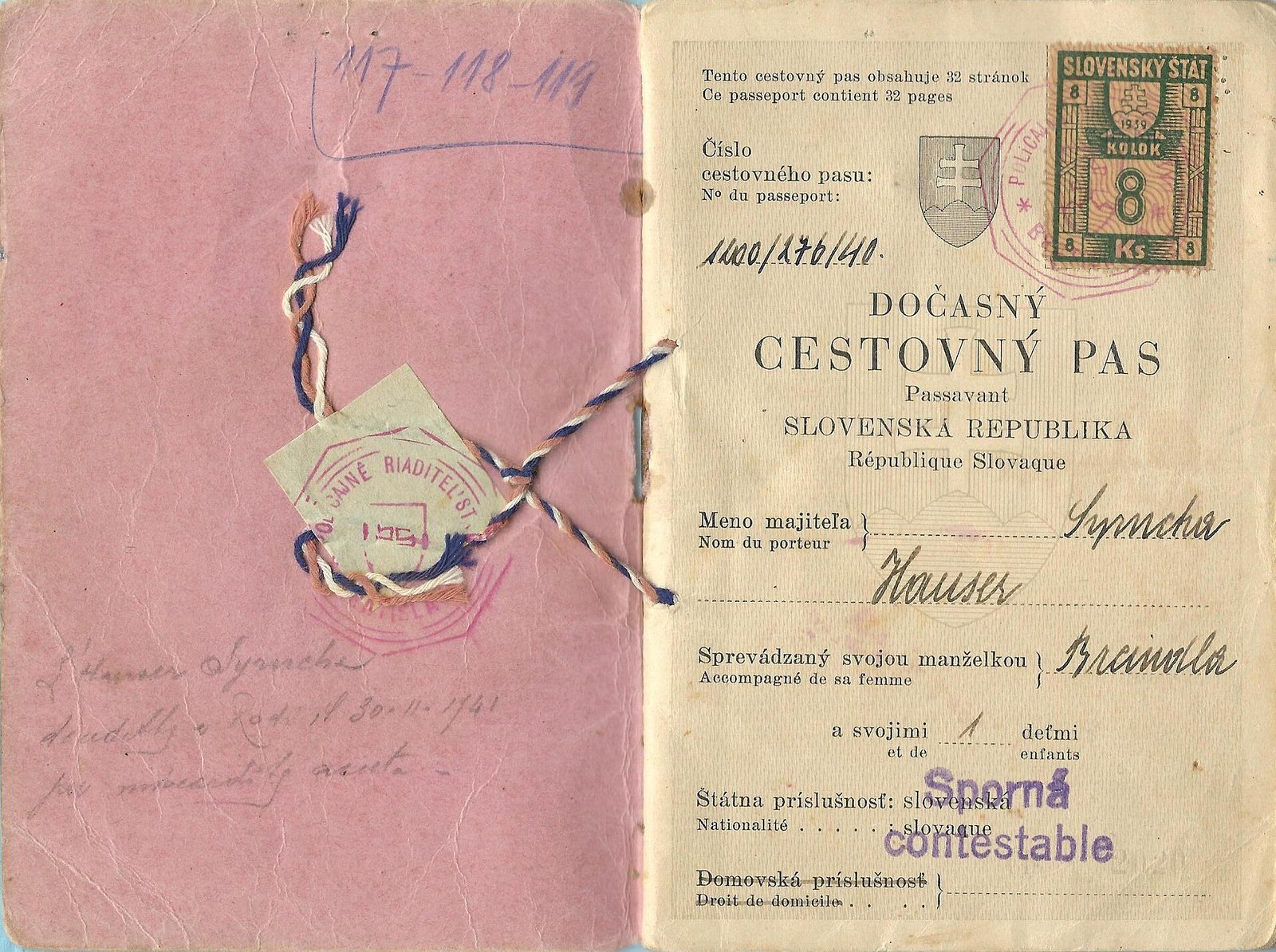
Photo: Temporary Slovak passport issued in 1940 to a Jewish refugee family by Government of Slovakia, Public domain