 By
Labor Secretary Francis Tolentino urged employers to prepare workers for artificial intelligence and emerging technologies, warning that automation could displace jobs and make certain skills obsolete. Tolentino spoke at a work summit in Pasay City on Monday, 23 November 2026, according to the Daily Tribune.
Tolentino called on businesses to anticipate technological changes and invest in workforce development. He urged human resource professionals to take a more strategic role in helping organizations navigate changes, and stressed that businesses must balance technological innovation with protection of workers’ rights and welfare. “Our position at the Department of Labor and Employment is clear: technological advancement must not come at the expense of human dignity and workers’ rights,” Tolentino said.
What DOLE is asking employers to do
The labor secretary’s message goes beyond a general call for training. He asked employers to assess how new technologies will affect existing jobs and identify the competencies employees will need. That is a workforce planning exercise, not a one-off training request.
For HR teams in the Philippines, this means mapping current roles against likely automation exposure. Roles heavy in data entry, routine customer service, basic bookkeeping, and repetitive back-office tasks face the most immediate change. The harder question is what those employees move into next. Tolentino’s framing suggests employers should answer that before displacement happens, not after.
The Daily Tribune also noted a related report from 6 November 2026 in which Presidential Communications Office Undersecretary Claire Castro said the government is pushing reskilling and upskilling programs. That signals coordination between the palace and DOLE on workforce transition, though neither source named specific new funding or program details.
Why this matters for Philippine HR and payroll teams
Payroll and HR practitioners in the Philippines operate under specific labor institutions that shape how reskilling works in practice. DOLE oversees the Labor Code, while the Technical Education and Skills Development Authority (TESDA) runs national skills programs. Employers often tap TESDA-aligned training for rank-and-file workers, while supervisory and technical upskilling tends to happen through private providers or enterprise learning systems.
The practical implication for payroll is indirect but real. If employers reclassify roles after reskilling, job titles, pay grades, and government-mandated contributions can shift. Philippine payroll teams should watch for changes to position classifications, because SSS, PhilHealth, and Pag-IBIG contributions follow compensation levels. A reskilled employee moved into a higher-paying role triggers updated contribution brackets.
HR teams should also consider how reskilling programs interact with existing labor rules. Training time during work hours is generally compensable. If an employer requires attendance at reskilling sessions outside normal shifts, overtime or premium pay questions can arise depending on the arrangement. Confirming these details with DOLE regional offices or labor counsel is prudent, since the source brief did not address them.

What the news does not settle
The Daily Tribune report names no new law, no new funding amount, and no compliance deadline. Tolentino’s remarks are a policy direction and an appeal, not a mandate. Employers reading the news should not treat it as a new regulatory requirement with penalties attached.
That matters because Philippine HR leaders sometimes face pressure to respond to DOLE statements as if they were enforceable rules. This one is not, at least not yet. The government’s existing reskilling push, referenced through the Palace statement, suggests a broader policy direction. But the mechanics remain undefined in the public reporting.
What employers can reasonably take from the statement is that DOLE is signaling where enforcement attention and government partnerships may head. Companies that build skills mapping and reskilling capacity now are less likely to face difficult transitions if formal programs or incentives arrive later.
Practical steps for HR teams now
Even without a mandate, HR leaders can act on the substance of Tolentino’s message. A starting point is a simple skills inventory: list critical roles, note which tasks are automatable, and identify adjacent roles that could absorb displaced workers with targeted training.
A second step is to review existing training budgets against that inventory. Many Philippine employers already run mandatory safety and technical training. Adding AI literacy and data handling skills to existing programs may cost less than building new ones from scratch.
A third step is documentation. If an employer reskills a worker and moves them into a new role, clear records of the training, the new job description, and the updated compensation structure reduce disputes later. That documentation also helps if DOLE later asks how companies are responding to technological change.
Common mistakes to avoid include treating reskilling as a one-time seminar, assuming only IT staff need AI training, and waiting for government programs to arrive before acting. Tolentino’s core point is that anticipation beats adaptation. The employers who map skills now will have more options when automation pressure intensifies.
Sources: Daily Tribune
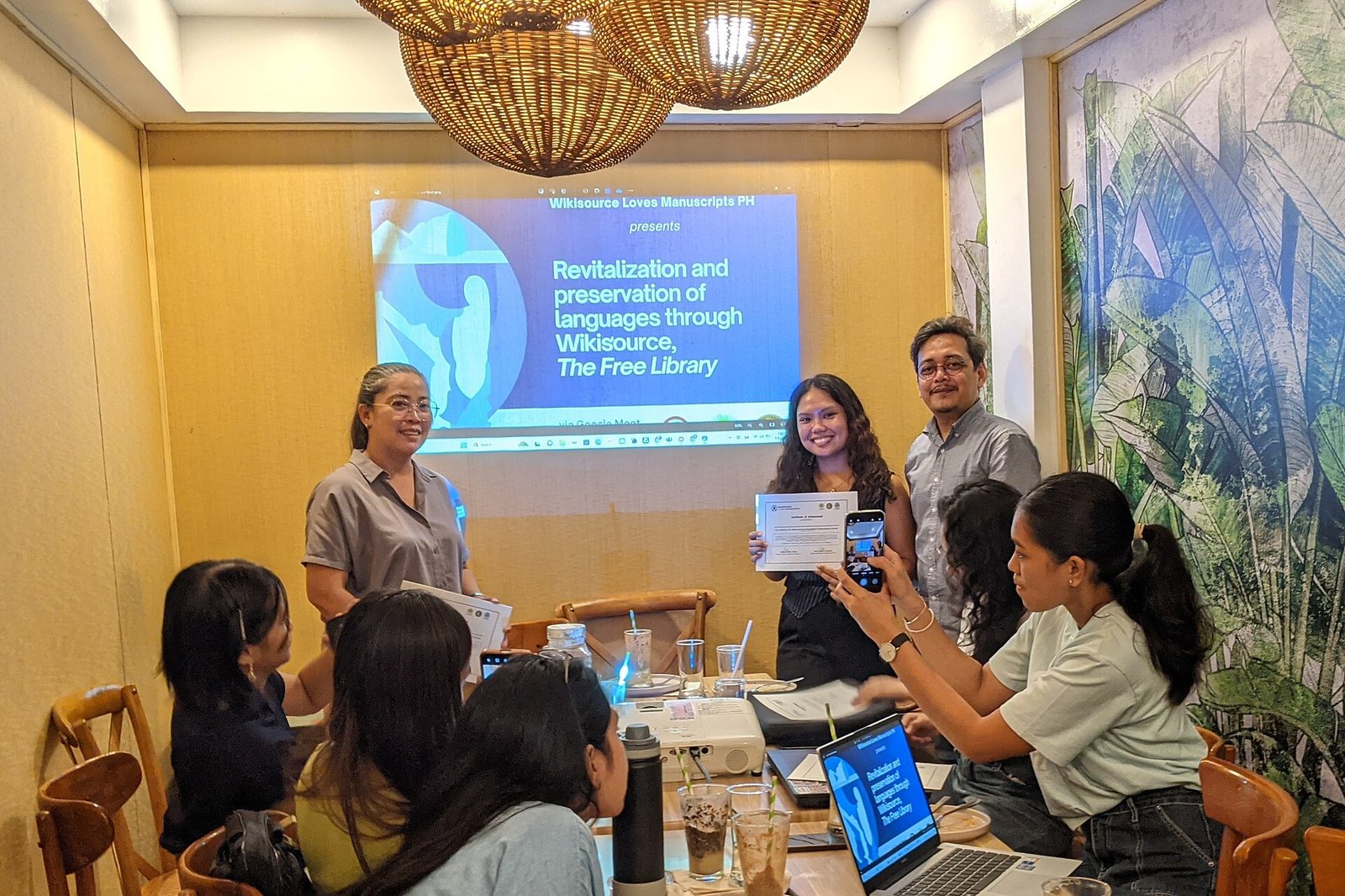
Photo: Wikisource Loves Manuscripts Philippines Training Program 03 by Filipinayzd, CC BY-SA 4.0